Periodontal Treatment Ventura for Persistent Gum Tenderness

Persistent gum tenderness has a way of creeping into daily life. At first, it may seem minor, a little soreness while brushing, a faint metallic taste, a spot that bleeds when floss catches the edge of the gumline. Many people let it ride for months because the discomfort comes and goes. Then one day they notice cold water stings near a back tooth, or their gums look puffier in photos, or chewing on one side starts to feel wrong. By that point, the issue is often no longer simple irritation.
Gum tenderness is not a diagnosis. It is a symptom, and it can point to several different conditions, from temporary inflammation to more advanced periodontal disease. That distinction matters. If the source is plaque accumulation and early gingivitis, the tissue can often recover well with professional care and better home habits. If the problem has progressed into periodontitis, treatment becomes more involved because the structures supporting the teeth are already under attack.
For patients looking into Periodontal Treatment Ventura, the first priority is usually clarity. They want to know what is causing the tenderness, whether the condition can be reversed, what treatment will feel like, and how urgent it is. Those are fair questions. Gum disease is common, but the course it takes is highly individual. A patient who has mild tenderness after a lapse in cleanings is not in the same situation as someone with deep pockets, bone loss, and years of chronic inflammation.
When gum tenderness signals more than sensitivity
Healthy gums are firm, lightly stippled, and generally do not ache. They may feel temporarily irritated after aggressive flossing or after a hard piece of food gets lodged near the gumline, but that kind of discomfort usually settles quickly. Persistent tenderness is different. It tends to return in the same areas, linger beyond a few days, or arrive with bleeding, swelling, gum recession, or bad breath.
One of the most common causes is plaque that has hardened into tartar around and beneath the gumline. Once this buildup forms, brushing alone cannot remove it. Bacteria remain in prolonged contact with the tissue, the body mounts an inflammatory response, and the gums become red, swollen, and sore. If this process continues unchecked, the attachment between tooth and gum begins to weaken. Small spaces, called periodontal pockets, deepen and create a protected environment where harmful bacteria thrive.
Not every tender gumline means periodontal disease. https://telegra.ph/Periodontal-Treatment-Ventura-and-the-Importance-of-Routine-Checkups-10-02-2 Clenching, hormone shifts, dry mouth, certain medications, smoking, ill-fitting restorations, mouth breathing during sleep, and poorly controlled diabetes can all contribute to gum irritation or worsen existing disease. I have seen patients convinced they had a “tooth problem” when the real driver was nighttime grinding plus inflamed gum tissue around old dental work. I have also seen people with very little pain despite significant periodontal breakdown. The amount of soreness does not always match the severity of damage.
That is why a proper periodontal evaluation matters. You do not want to treat a symptom while missing the process underneath it.
What a periodontal evaluation typically looks for
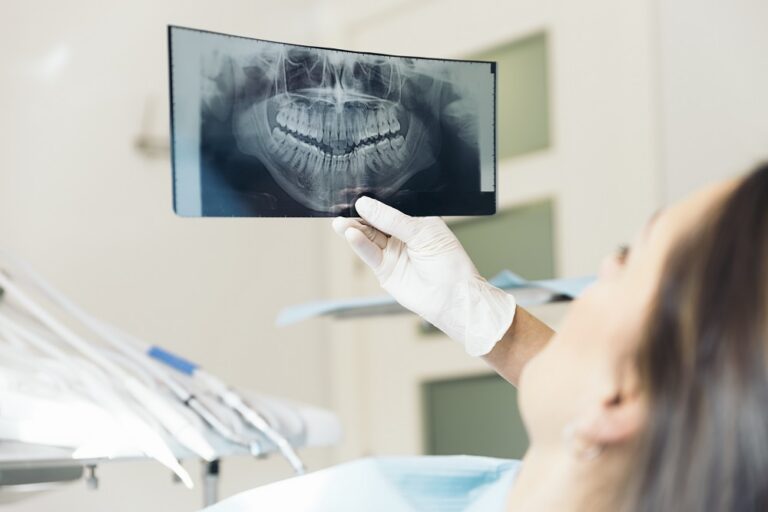
A thorough exam is more than a quick look at the gums. It usually includes measuring pocket depths around each tooth, checking for bleeding points, evaluating recession, assessing tooth mobility, reviewing bone levels on radiographs, and looking at the quality of existing restorations. Dentists and periodontists also pay attention to how plaque accumulates, whether there is heavy tartar below the gumline, and whether the bite is placing excessive force on certain teeth.
If tenderness is limited to one area, the exam may also look for trapped food, a vertical root fracture, a draining infection, or a defective crown margin. Localized soreness can be deceptively complex. A patient may describe “gum pain around one tooth,” but the cause could be a cracked filling, a gum abscess, or a deep pocket that developed where floss rarely reaches.
The wording used during the appointment can sound technical, but the practical questions are straightforward. How inflamed are the gums right now? Has there been attachment loss? Is the problem mostly superficial, or has it moved deeper into the support system of the teeth? Those answers guide treatment.
The difference between gingivitis and periodontitis
This distinction is the hinge point in care.
Gingivitis is inflammation of the gums without loss of supporting bone or connective attachment. The gums may be tender, puffy, and prone to bleeding, but the damage is still at a stage where improvement is very possible with timely intervention. Many cases respond well to a professional cleaning and consistent home care.
Periodontitis involves destruction below the gumline. The attachment to the tooth weakens, periodontal pockets deepen, and bone can be lost over time. Once bone support is gone, it does not simply grow back on its own in most cases. Treatment can control the disease, reduce inflammation, and in select situations regenerate some lost structures, but the goal becomes management and stabilization rather than a simple reset.
Patients often feel relieved when they finally understand which side of that line they are on. Uncertainty is stressful. It is easier to commit to treatment when the problem has been clearly explained in plain language.
Why tenderness can persist even when you brush every day
A common and understandable frustration is this: “I brush twice a day, so why are my gums still tender?” The answer usually comes down to access, technique, and biology.
Brushing does not always disrupt plaque effectively at the gumline, especially around crowded lower front teeth, tilted molars, bridges, implant crowns, or old fillings with rough margins. Flossing helps, but many tender areas are below the point where ordinary floss can fully address established buildup. If tartar is already present beneath the gumline, the tissue stays inflamed until that deposit is professionally removed.
Technique also matters. Scrubbing harder does not clean better. In fact, it can traumatize the gums and create more soreness, especially with a stiff brush. Patients sometimes respond to bleeding by brushing even more aggressively because they think the gums need “extra cleaning.” What they often need instead is gentler, more precise plaque removal and treatment for the inflammation already there.
Then there are systemic influences. Smoking constricts blood vessels and alters the tissue response. Diabetes can intensify inflammation and slow healing when blood sugar is not well controlled. Dry mouth reduces the natural cleansing action of saliva. Pregnancy and menopause can shift how gums react to plaque. A good clinician considers the full picture rather than assuming every tender gumline has the same cause.
Common signs that point toward periodontal treatment
The symptoms vary, but a pattern tends to emerge when periodontal disease is involved.
- Gum tenderness that lasts more than a week or returns repeatedly
- Bleeding during brushing or flossing
- Swelling, puffiness, or redness along the gumline
- Persistent bad breath or a bad taste in the mouth
- Receding gums, tooth mobility, or discomfort when chewing
Any one of these can have other causes, but when several occur together, a periodontal assessment becomes especially important.
What Periodontal Treatment Ventura may involve
The phrase “periodontal treatment” covers a spectrum of care. Not every patient needs surgery. Not every patient can be managed with a routine cleaning. The right approach depends on pocket depth, the pattern of inflammation, the amount of attachment loss, and individual risk factors.
For many adults with persistent gum tenderness and measurable periodontal pockets, the first phase is non-surgical therapy, often called scaling and root planing. This is a more detailed cleaning of the tooth surfaces above and below the gumline. The aim is to remove plaque, tartar, and bacterial toxins from root surfaces so the tissue can begin to heal and reattach more closely around the tooth.
Patients often ask whether scaling and root planing is “just a deep cleaning.” In casual conversation, yes, that is how it is often described. Clinically, though, it is more purposeful than a standard prophylaxis. It is performed because disease is present, not simply because it is time for a routine polish.
Local anesthetic is frequently used, particularly when deeper pockets are involved. That surprises some people who expected something quick and minor. Yet once treatment begins, most appreciate the numbing because inflamed tissues can be quite sensitive. The appointment may be done by quadrant, especially if several areas need attention.
After the initial therapy, a reevaluation usually follows in a few weeks. That appointment is important. It tells the clinician how much inflammation has resolved, whether pockets have reduced, and whether any sites still require more advanced care.
What non-surgical therapy can realistically achieve
This is where honest expectations matter. Non-surgical periodontal treatment can do a great deal, especially when the disease is mild to moderate and the patient is consistent with home care. Tenderness often improves noticeably once inflamed tissue is no longer sitting against tartar and bacterial deposits. Bleeding may drop significantly. Gums may tighten, appear less swollen, and feel less sore during brushing.
At the same time, treatment can reveal issues that inflammation had been masking. As swollen gums shrink to healthier contours, recession may become more visible. Teeth may look slightly longer. Spaces between lower front teeth can seem more apparent. Patients sometimes worry that treatment “caused” recession, when in fact the tissue had been enlarged by chronic swelling and is now settling back to its true position.
If the disease is advanced, non-surgical therapy may control inflammation but not fully eliminate deep pockets. That does not mean the first phase failed. It means the tissue response showed where further intervention is needed.
When surgical periodontal care becomes part of the plan
Some cases require more than root debridement alone. Deep residual pockets, difficult root anatomy, furcation involvement between molar roots, significant bone loss, or persistent inflammation in isolated areas may lead to discussion of surgical options.
These procedures are not one-size-fits-all. Depending on the situation, treatment may include flap surgery for access and decontamination, regenerative procedures intended to support rebuilding in select defects, or grafting to address recession and protect exposed roots. A periodontist will weigh pocket depth, defect type, esthetics, hygiene access, and long-term prognosis before recommending a procedure.
Patients often come in worried that surgery means they have somehow “failed” at routine dental care. That is not a useful way to frame it. Periodontal disease is influenced by anatomy, genetics, immune response, systemic health, and habits accumulated over years. Surgery is not a punishment. It is simply the right tool in certain clinical circumstances.
One detail that matters in Ventura, as in any coastal community with active adults and demanding schedules, is recovery planning. People want to know when they can return to work, exercise, and normal eating. Most can resume light activity fairly quickly after common periodontal procedures, but heavy exertion, crunchy foods, and vigorous brushing near the treated site usually need to wait. Clear post-operative instructions make a big difference in comfort and healing.
The role of maintenance after active treatment
Periodontal treatment is rarely a one-and-done event. Once a patient has had periodontitis, they remain more vulnerable to recurrence. The bacteria can recolonize, pockets can deepen again, and inflammation can return quietly before the patient feels much discomfort.
That is why periodontal maintenance visits are so important. These are not ordinary “cleanings” in the everyday sense. They are disease-control appointments tailored to patients with a history of periodontal breakdown. The frequency varies, but many patients benefit from maintenance every three to four months, at least for a period. Some can later space visits farther apart if their condition stays stable, while others need close intervals long-term because of diabetes, smoking history, reduced dexterity, or stubborn pocketing.
This is often the stage where treatment either holds or unravels. A beautifully executed scaling and root planing loses value if maintenance slips for a year. On the other hand, even patients with a history of serious gum disease can keep their teeth for many years when maintenance is steady and home care is thoughtful.
Home care that supports healing without irritating the gums
When gums are tender, people tend to swing in one of two directions. They either overclean with too much force, or they avoid the area because it hurts. Neither helps. The goal is consistent plaque disruption with as little trauma as possible.
A few habits generally serve patients well:
- Use a soft-bristled or extra-soft toothbrush with light pressure
- Angle the bristles toward the gumline rather than scrubbing across the teeth
- Clean between teeth daily with floss, interdental brushes, or another tool recommended for your anatomy
- Follow any prescribed antimicrobial rinse exactly as directed
- Keep follow-up appointments, even if the tenderness starts to fade
There is no universal winner among floss, water flossers, and interdental brushes. The best device is the one that actually fits the spaces, reaches the plaque-retentive areas, and gets used correctly every day. For wider embrasures or areas of recession, small interdental brushes often outperform standard floss. For tightly contacting teeth, floss may still be the more practical choice. Good clinicians tailor recommendations instead of reciting one script to every patient.
How long it takes for tenderness to improve
This is one of the most common questions, and it deserves a nuanced answer. Some tenderness begins to ease within days after professional treatment, especially if the main driver was heavy surface inflammation. More stubborn cases can take a few weeks, particularly when deeper tissues were involved or when several factors are at play, such as clenching, dry mouth, and chronic periodontal infection together.
It is also normal for the gums to feel temporarily sore after scaling and root planing. The tissue has been instrumented, deposits have been removed, and inflamed areas are beginning to contract and heal. Mild sensitivity to temperature can show up as the roots become cleaner and more exposed. That does not necessarily signal a problem. What clinicians watch for is the overall trend. Is bleeding decreasing? Is swelling subsiding? Is daily brushing becoming easier, not harder?
If tenderness persists without improvement, or if it worsens, that calls for reexamination. A retained deposit, an unresolved pocket, a cracked tooth, an abscess, or a bite issue may still be in the mix.
Practical questions to ask at your appointment
Patients get more value from consultations when they ask direct, useful questions. It helps to know not only what is happening now, but what the likely path looks like six months and two years from now.
Ask how deep the pockets are and whether bone loss is present. Ask whether the condition appears localized or generalized. Ask what level of improvement is realistic with non-surgical care alone. Ask whether maintenance intervals should be three months, four months, or something else based on your risk profile. And ask what specific home tools match your mouth, not a generic ideal.
These conversations matter because periodontal treatment succeeds through partnership. Clinical skill handles only part of the problem. The rest depends on what happens between visits, day after day at the sink.
Choosing care when symptoms have lingered too long
People often wait on gum tenderness because they hope it will settle once life gets less busy. That instinct is understandable, but persistent symptoms rarely reward delay. The longer inflammation remains active, the more opportunity it has to damage the attachment around the teeth. A condition that might have responded well to early intervention can become more complex, more expensive, and harder to stabilize.
For anyone exploring Periodontal Treatment Ventura, the smart next step is not to self-diagnose based on tenderness alone. It is to get the tissue measured, the bone assessed, and the pattern properly identified. Once that is done, the path usually becomes much less mysterious. You know whether you are dealing with reversible gingival inflammation, established periodontitis, an isolated problem around one tooth, or a combination of issues.
That clarity has real value. It turns a vague, nagging symptom into a plan. And when the plan is matched to the actual disease process, tender gums often become treatable, manageable, and far less disruptive than patients feared at the start.
Avra Dental
Address: 1708 S Victoria Ave B, Ventura, CA 93003
Phone number: (805) 941-1001
FAQ About Periodontal Treatment Ventura
Can a dentist get rid of periodontal disease?
A dentist or gum specialist (periodontist) cannot fully cure or reverse advanced periodontal disease (periodontitis), but they can successfully stop its progression and manage the infection.
Is periodontitis very serious?
Yes, periodontitis is a very serious, advanced form of gum disease that destroys the bone and tissues supporting your teeth.
How is stage 2 periodontal disease treated?
Stage 2 periodontal disease (early to moderate periodontitis) is primarily treated with non-surgical deep cleaning procedures like scaling and root planing to remove bacteria and tartar below the gumline.