Can Teens Need Periodontal Treatment? Warning Signs to Watch
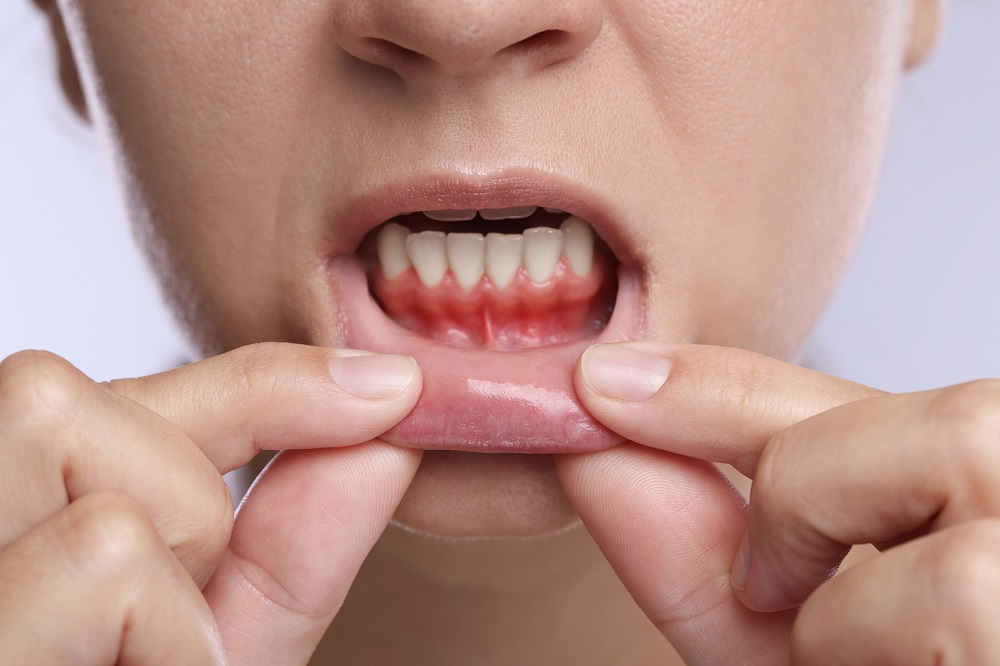
Many parents are surprised to hear the words "gum disease" and "teen" in the same sentence. They tend to associate periodontal problems with adults, especially older adults with years of plaque buildup, smoking history, or chronic health issues. In practice, though, teenagers can and do develop gum conditions that require professional care. Sometimes the problem is mild and reversible. Sometimes it is more advanced than anyone expected, particularly when warning signs have been brushed off as "just puberty" or "a phase."
That does not mean every teen with red gums needs major dental work. It does mean gum health deserves more attention than it often gets during adolescence. Orthodontic appliances, changing hormones, busy schedules, sports drinks, inconsistent brushing, and simple reluctance to floss can create the perfect setup for inflammation. Add genetic susceptibility or mouth breathing, and a teenager can move from occasional bleeding to genuine periodontal concerns faster than most families realize.
Periodontal treatment for teens is not about making adult-sized problems fit younger patients. It is about identifying the exact cause of gum inflammation, measuring how far it has progressed, and intervening early enough to protect the teeth and supporting bone for decades to come.
Why gum problems can show up in the teenage years
The gums respond to plaque at every age, but adolescence introduces a few special complications. Puberty changes the body’s inflammatory response. Some teens who have only modest plaque buildup develop gums that look puffy, shiny, and prone to bleeding. Others go through orthodontic treatment and suddenly have brackets, wires, retainers, and hard-to-clean corners that trap food and bacteria. Even diligent kids can struggle to keep every surface clean.
I have seen this play out in a very ordinary way. A teen starts braces, does reasonably well at first, then gets busier. School ramps up, sports run late, and https://damiencpng794.currentvale.com/posts/how-smoking-affects-the-success-of-periodontal-treatment the evening routine becomes rushed. Brushing still happens, but not carefully. Flossing falls off. At the six-month cleaning, the hygienist sees swollen gum margins and bleeding around several teeth. The family is alarmed because there are no cavities, yet the gum tissue is clearly unhappy. That scenario is common.
Hormones are only part of the story. Habits matter. So does anatomy. Crowded teeth are harder to clean than straight ones. Mouth breathing dries tissue and can worsen inflammation, especially along the front teeth. Some teens snack frequently, sip sweetened beverages, or use nicotine products, including vaping, all of which can work against gum health. A smaller group has an aggressive form of periodontal breakdown tied to bacterial patterns and immune response, sometimes with a family history of early tooth loss.
This is why it is risky to dismiss bleeding gums in a teenager as harmless. Sometimes it really is simple gingivitis that improves quickly with better home care and a thorough cleaning. Sometimes it is the first visible sign of a deeper issue.
Gingivitis versus periodontitis in teens
Parents often hear these terms used almost interchangeably, but they are not the same.
Gingivitis is inflammation of the gums. The tissue may look redder than normal, feel tender, bleed during brushing, or appear puffy near the tooth edges. Gingivitis does not automatically mean there has been permanent damage to the bone and ligament support of the teeth. In many cases, it is reversible.
Periodontitis is more serious. It involves not just inflamed gums but destruction of the supporting structures around the teeth. That can include loss of attachment and bone. In teenagers, true periodontitis is less common than gingivitis, but it absolutely can occur. When it does, early diagnosis matters because the damage can progress quietly.
One reason this distinction matters is that symptoms do not always match severity. Some teens with significant inflammation complain right away because the gums bleed when they spit after brushing. Others say nothing because there is little pain. Gum disease is often deceptive that way. Pain tends to show up later or in more acute flare-ups. A lack of pain should never be used as proof that everything is fine.
Warning signs parents and teens should not ignore
The early signs are usually visible long before there is any dramatic dental emergency. Families often notice them in fragments, a little bleeding here, persistent bad breath there, perhaps some puffiness around braces. The problem is that each sign can seem minor in isolation.
The clearest warning signs include the following:
- bleeding during brushing or flossing that happens repeatedly, not just once after a long gap in flossing
- gums that appear red, swollen, shiny, or unusually tender
- persistent bad breath or a bad taste that does not improve with normal brushing
- gum recession, teeth that look longer, or spaces that seem to be changing
- loose teeth, discomfort when chewing, or pus around the gumline, which needs prompt evaluation
A few of these deserve special attention. Bleeding is the one families mention most often, and it is the one most likely to be normalized. Healthy gums generally do not bleed during routine cleaning. If they do, the usual explanation is inflammation from plaque at the gumline. Repeated bleeding is not something to "watch for a while" over many months.
Bad breath is another tricky sign because teenagers can have ordinary morning breath, dry mouth, or diet-related odor. But when the smell is chronic and resistant to brushing, plaque accumulation, tongue coating, and gum inflammation move higher on the list of likely causes.
Loose teeth are different. In a younger child, a loose tooth may be perfectly normal if it is a baby tooth. In a teen with permanent teeth, looseness is not routine. It should be assessed.
The role of braces, retainers, and other orthodontic appliances
Orthodontic treatment is one of the biggest reasons gum inflammation spikes in adolescence. This does not mean braces are bad for the gums. Straightening crowded teeth can improve long-term cleanability and oral health. The challenge is the period during active treatment.
Brackets and wires create plaque-retentive niches. Food catches around them. Flossing becomes tedious. Even a well-meaning teenager can miss areas day after day. The tissue between the teeth and around the brackets starts to swell. Once swollen, it becomes even harder to clean effectively. It is a self-reinforcing loop.
Some teens develop enlarged gum tissue around braces, especially if home care is inconsistent. It may look like the gums are growing over parts of the teeth. In mild cases, this improves with better brushing, flossing, and more frequent professional cleanings. In other situations, the inflammation becomes substantial enough that the orthodontist and general dentist need to coordinate care more closely.
Retainers can cause trouble too, especially fixed lingual retainers behind the front teeth. Those areas are easy to neglect because they are out of sight and awkward to floss. It is not uncommon to find tartar buildup there in teens who otherwise seem to brush well.
The takeaway is practical rather than alarming. If a teen has braces or retainers, gum checks should become more, not less, important.
Risk factors that raise concern
Not every teen faces the same level of risk. Some simply have more stacked against them. Family history matters more than many people realize. When parents mention relatives who lost teeth early or had serious gum problems at a young age, clinicians listen. Genetics do not determine destiny, but they can shift the threshold for disease.
Medical factors also count. Diabetes, especially if poorly controlled, can worsen gum inflammation. Certain medications can affect oral tissues or dry the mouth. Immune system conditions, though less common, can also change the picture.
Behavioral factors are easier to modify but still powerful. Nicotine exposure is one of the most concerning, and that includes vaping. Many teens do not connect vaping with gum problems, yet it can affect blood flow, tissue health, and healing. Add inconsistent hygiene and sugary or acidic drinks, and the risk rises further.
There are also teens who seem to "do everything right" and still develop more periodontal destruction than expected. Those are the cases that remind clinicians not to rely on assumptions. When the clinical findings do not match the visible plaque levels, a more thorough periodontal evaluation becomes especially important.
What a dental team looks for during an exam
A proper periodontal assessment for a teen is not just a glance at the gums. The dentist or hygienist looks at color, contour, swelling, bleeding, plaque levels, and tartar deposits. They may gently measure the gum sulcus, the small space between the gum and tooth, to identify deeper areas that could suggest attachment loss or pockets. If there are concerns about bone support, dental X-rays may be recommended.
This examination is usually straightforward and well tolerated. For nervous teens, it helps to explain that the goal is not to find fault. It is to map what is happening now so the right level of treatment can be chosen. A teenager with generalized puffy gums around braces may need a very different plan than one with localized bone loss around first molars and incisors, which can point to a more aggressive periodontal pattern.
One subtle but important part of the exam is comparing the amount of visible plaque to the severity of inflammation. Heavy plaque with generalized gingivitis points in one direction. Relatively little plaque with unexpectedly deep concerns points in another. Good clinicians pay close attention to that mismatch.
When periodontal treatment becomes necessary
The phrase "Periodontal Treatment" can sound more intimidating than it needs to. It covers a range of care, from focused professional cleanings and home-care coaching to deeper therapy aimed at controlling infection below the gumline.
For teens, treatment often begins conservatively. If the issue is plaque-induced gingivitis, the first steps usually include a thorough cleaning, detailed hygiene instruction tailored to the teen’s actual routine, and a shorter recall interval. Instead of waiting six months, the office may recommend a recheck or maintenance visit sooner. This is not overreacting. Inflamed tissue needs closer follow-up if the goal is to reverse it before structural damage occurs.
When there is evidence of deeper periodontal involvement, treatment may go beyond a standard cleaning. The dentist may recommend scaling in affected areas to remove deposits beneath the gumline. In some cases, referral to a periodontist is appropriate, especially when attachment loss, bone loss, or unusual patterns of disease are present.
Treatment plans commonly include a combination of these approaches:
- professional removal of plaque and tartar above and below the gumline
- home-care changes, often with specific tools such as floss threaders, interdental brushes, or water flossers
- closer maintenance visits to monitor healing and keep inflammation controlled
- coordination with an orthodontist if braces or retainers are contributing to the problem
- referral to a periodontist for advanced evaluation when bone or attachment loss is suspected
What matters most is matching the treatment to the severity. A teen with reversible gingivitis does not need the same intervention as a teen with true periodontitis. Good care is precise, not dramatic.
What treatment feels like for the teenager
This is often what parents and teens really want to know. Most periodontal treatment in adolescents is manageable and far less frightening than the name suggests.
A routine periodontal-focused cleaning feels similar to other dental cleanings, though it may take longer if there is more buildup or bleeding. If deeper cleaning below the gumline is necessary, the team may numb the area so the appointment is comfortable. Some soreness can follow, especially if the gums were quite inflamed to begin with, but it typically settles quickly.
The bigger challenge is not the appointment itself. It is behavior change afterward. A teen has to buy into the idea that gums matter, even when there is no cavity and no major pain. That can be a hard sell. The most successful approach is usually specific and practical. Not "do better brushing," but "angle the brush at the gumline for two minutes, clean around each bracket, and use the floss threader every night before bed." Precision helps.
I have seen teens respond well when the conversation stays respectful and direct. They do not need lectures about responsibility. They need to understand what is happening in their mouth and what a realistic fix looks like.
Home care that actually works in real life
The best periodontal advice is useless if it does not fit the teen’s life. A fourteen-year-old with soccer practice, homework, and braces is not going to follow a twelve-step oral care ritual forever. The routine has to be efficient enough to stick.
Brushing twice daily with attention to the gumline remains the foundation. For teens with braces, an electric toothbrush often helps because it reduces the technique burden and improves consistency. Flossing matters, but the method can vary. Traditional floss, floss threaders, orthodontic flossers, interdental brushes, and water flossers all have a role. The best tool is the one the teen will use correctly and consistently.
Mouthwash can support the routine, but it cannot substitute for mechanical cleaning. If the gum problem is driven by plaque stuck around brackets or between teeth, rinsing alone will not solve it.
Parents still matter here, even with older teens. Not in the sense of hovering over the sink every night, but in noticing patterns. Is the toothbrush frayed after a month because it is being used aggressively, or is it pristine after four months because it barely gets used? Are there repeated comments from the hygienist about bleeding or buildup in the same areas? Those clues tell a story.
Can periodontal problems in teens be reversed?
Gingivitis, yes, very often. When caught early and treated properly, inflamed gums can return to a healthy state. The tissue becomes firmer, bleeding decreases, and the teen often notices fresher breath and less tenderness within a relatively short period.
Periodontitis is different. The goal there is to stop progression and preserve support. Some healing occurs, and inflammation can be controlled very effectively, but lost bone support is not something that simply returns on its own in a routine case. That is why timing matters so much. Early detection changes the trajectory.
This is also where realistic communication matters. Families should not be frightened into thinking every episode of bleeding gums means permanent damage. At the same time, they should not be falsely reassured by the teen’s age. Both extremes miss the mark.
When to seek prompt care rather than wait for the next cleaning
There are moments when waiting six months is not sensible. If a teen has swollen gums that bleed regularly for more than a week or two despite renewed brushing and flossing, a dental visit is reasonable. If there is visible recession, a tooth that feels loose, pain when chewing, or a pimple-like bump on the gums, prompt evaluation is best.
This is especially true for teens in orthodontic treatment. Inflammation can build quietly between adjustment visits, and what begins as mild gingivitis can become more entrenched if no one intervenes.
Parents sometimes worry about overreacting. In dental practice, the more common issue is underreacting to chronic low-grade signs. A quick exam is a small step. Missing early periodontal disease is the bigger problem.
The long view on teen gum health
The teenage years are a turning point for oral health habits and, sometimes, for periodontal patterns that will echo into adulthood. A teen who learns early that bleeding gums are not normal and that small changes in routine make a real difference often carries that awareness forward. So does the teen who gets timely care for a developing periodontal issue instead of years of vague reassurance.
Periodontal treatment in adolescence is not a sign that something has gone irreparably wrong. More often, it is evidence that someone noticed the warning signs and acted before the stakes became much higher. That is exactly what good preventive dentistry is supposed to do.
If a teen’s gums are repeatedly bleeding, swollen, or changing in appearance, it is worth taking seriously. Healthy gums are usually quiet. When they start sending signals, they are asking for attention, not patience.
Avra Dental
Address: 1708 S Victoria Ave B, Ventura, CA 93003
Phone number: (805) 941-1001
FAQ About Periodontal Treatment
Can a dentist get rid of periodontal disease?
A dentist or gum specialist (periodontist) cannot fully cure or reverse advanced periodontal disease (periodontitis), but they can successfully stop its progression and manage the infection.
Is periodontitis very serious?
Yes, periodontitis is a very serious, advanced form of gum disease that destroys the bone and tissues supporting your teeth.
How is stage 2 periodontal disease treated?
Stage 2 periodontal disease (early to moderate periodontitis) is primarily treated with non-surgical deep cleaning procedures like scaling and root planing to remove bacteria and tartar below the gumline.